
On View March 13–April 5, 2026
Robin Adler
In the Future When We Can See the Past
For Robin Adler, storytelling is the most powerful way for people and cultures to share information and gain insight. Her new exhibition, In the Future When We Can See the Past, celebrates stories as steppingstones that help us clarify who we are and where we need to go. Her large-scale monotypes ask: How do we face the current crises? Since we live in the footprint of other civilizations, what lessons do we learn from stories of the past? Thus, in her Pompeii series, Adler invokes stories pieced together from a civilization changed in an instant. What can we learn from the ashes once we uncover them? In Adler’s The Crescent Moon Bear series, each challenge met by the protagonist is an opportunity for a deeper level of insight.
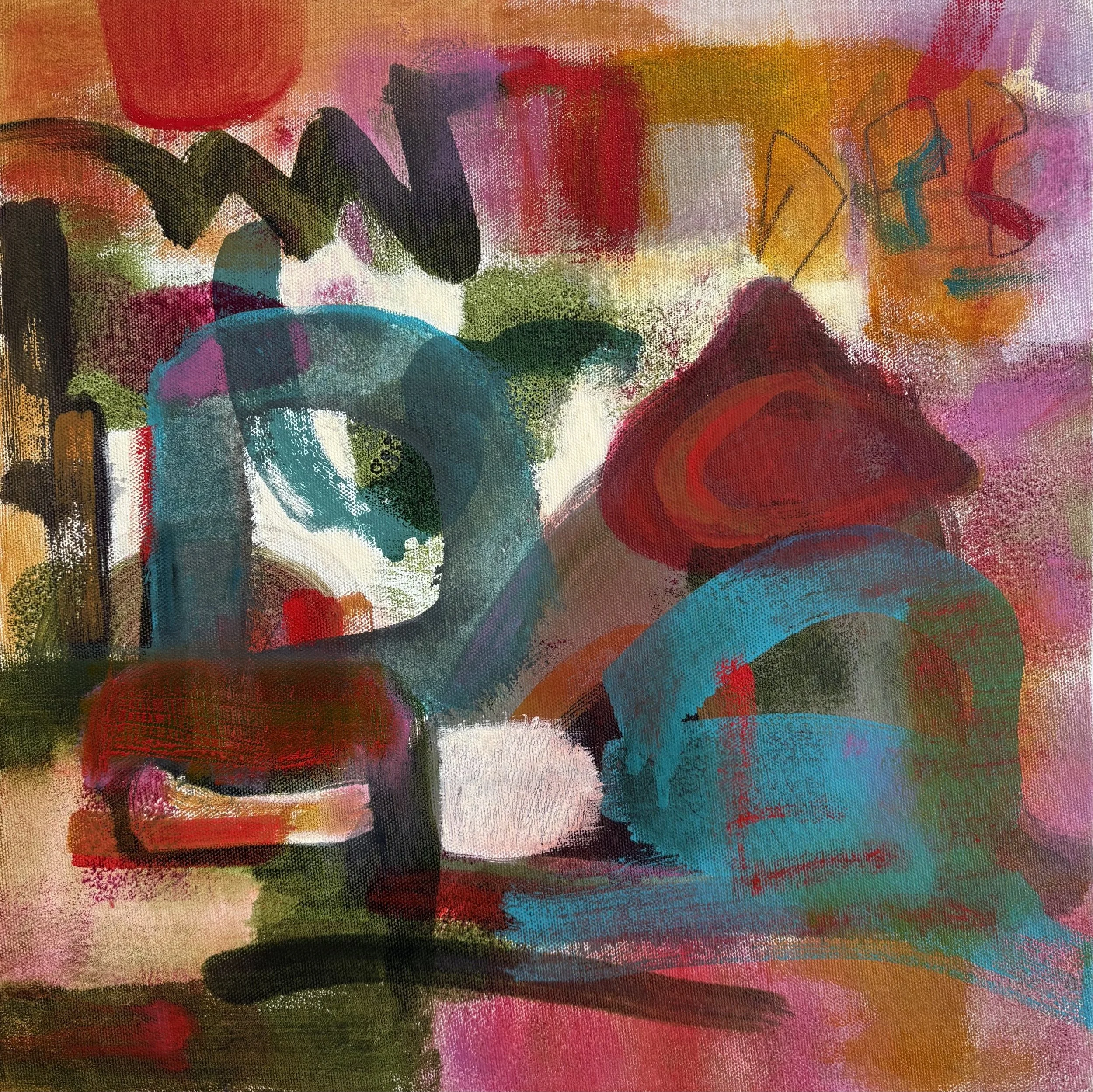
Robin Adler, The Ascent, 2026,
acrylic and oil on canvas, 14 in. x 14 in.
Bob Barry
The Past Future
Bob Barry works primarily in ceramic sculpture, exploring humanity’s fractured relationship with the natural world and our growing distance from its rhythms. He seeks to honor nature and create spaces to hold memory and myth. In The Past Future,an exhibition of new work, Barry continues to explore themes he pursued in his last two BAU solos (Florescence presented flowers gone wild, evoking abundance, disorder, and nature unchecked; The Other World reimagined through a contemporary lens animal forms influenced by ancient Mayan, Inca, and Pueblo traditions). Here, Barry focuses on the delicate veil that separates our present reality from the natural and spiritual worlds. His art reflects a longing for reconnection—a recognition that the boundary between human and nature is far thinner than we acknowledge.
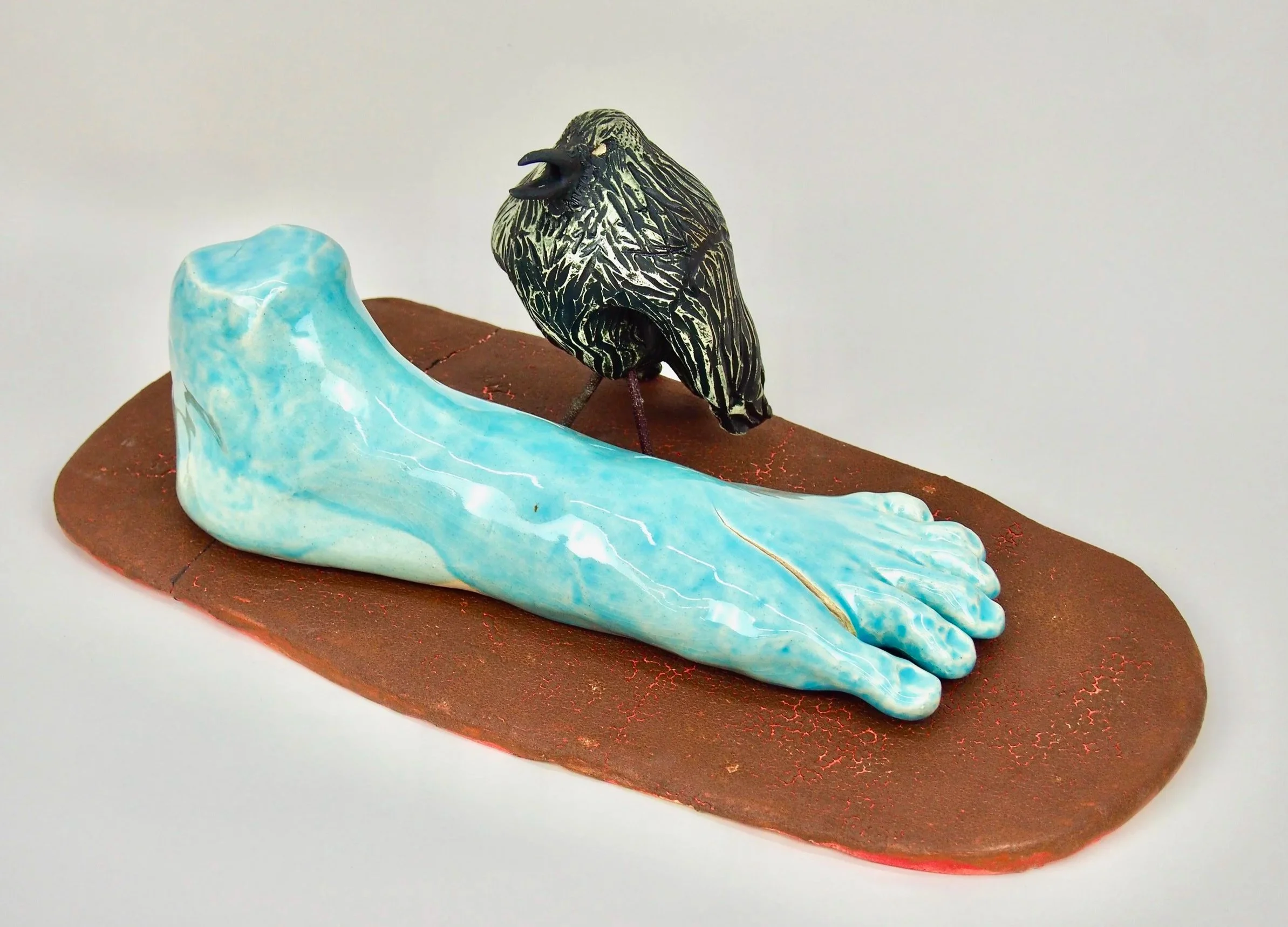
Bob Barry, The Messenger, 2025,
ceramic sculpture, 21 in. x 11 in. x 7 in.
Susan Ziegler
Funny Weather
This series reflects Susan Ziegler's ongoing meditation on nature within the urban environment through a process-based practice of painting and printmaking. Her work begins with drawing from observation, sketching elements such as patterns of shadow and light, plants, and architectural forms. Through a combination of monotype, painting, and collage, she layers these elements, creating a continual push and pull between the role of chance and a search for balance and visual harmony. Inspired by Olivia Laing’s book Funny Weather: Art in an Emergency, the work reflects Ziegler's sense of wonder and hope alongside a feeling of uneasiness in the current climate. She aims to capture the complexity, delicacy, and dynamism of her surroundings through abstraction.
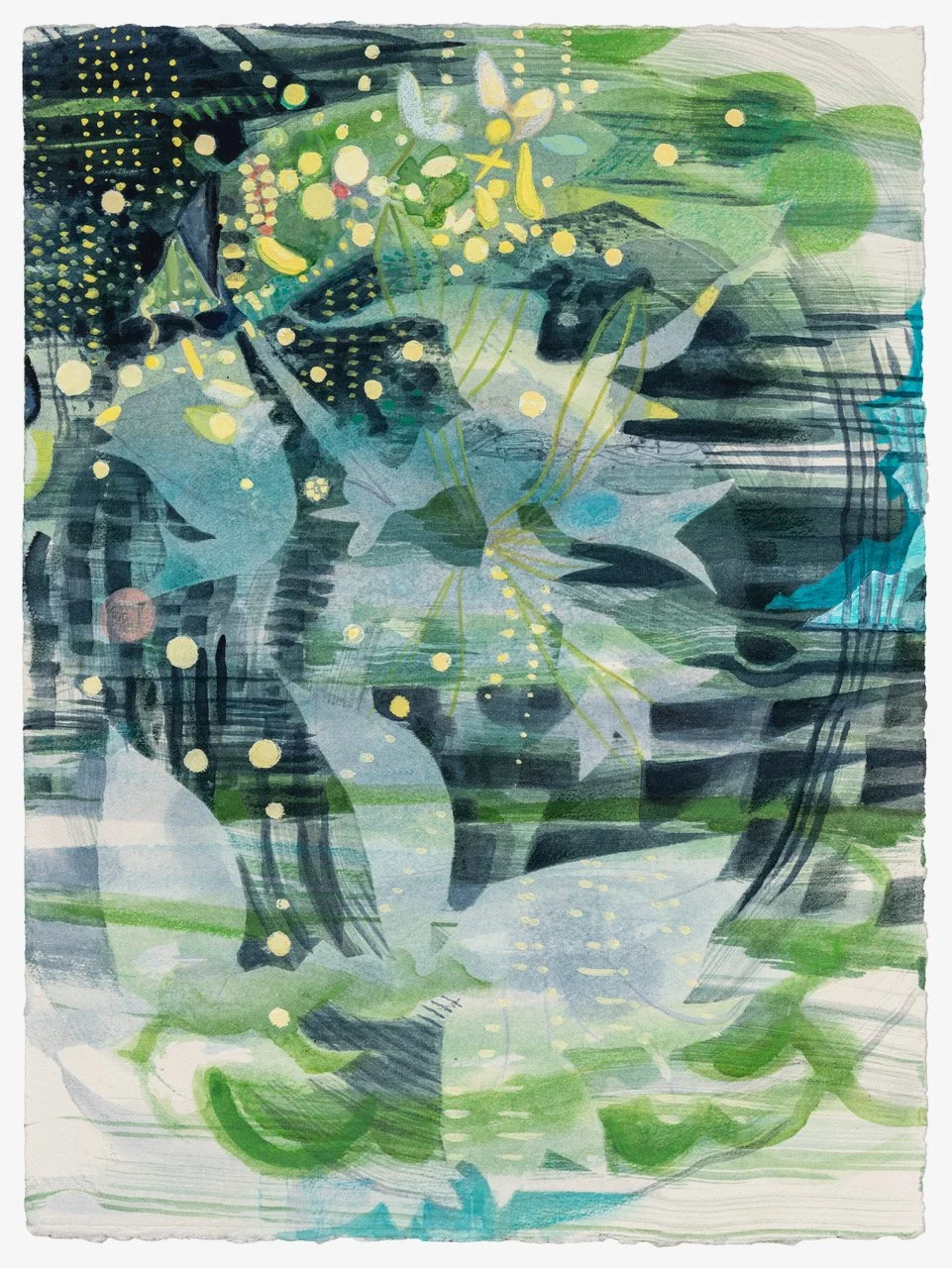
Susan Ziegler, Sphagnum, 2024,
mixed media on paper, 13 in. x 10 in.
On View April 10–May 3, 2026
Opening Reception: Saturday, April 11, 6–8 pm
Nate Hill
The Loop Trail
Nate Hill's inaugural exhibition at the gallery, The Loop Trail, presents a series of biomorphic wooden sculptures created from locally sourced walnut trees, either scavenged from roadsides or shared by arborist friends. Hill envisions each piece as an "actor" in a role familiar in a forest ecosystem: grazer, producer, decomposer. Together, they connect, create, and play out different scenes within imagined systems and potential futures. Often, they collaborate and work in harmony, but sometimes they get caught in difficult scenarios or spend too much time on one thing. Through their presence in his studio, the actors became co-designers of additional sculptures in the exhibition, made from paper pulp, light, wool, lenses, found objects, and other materials.
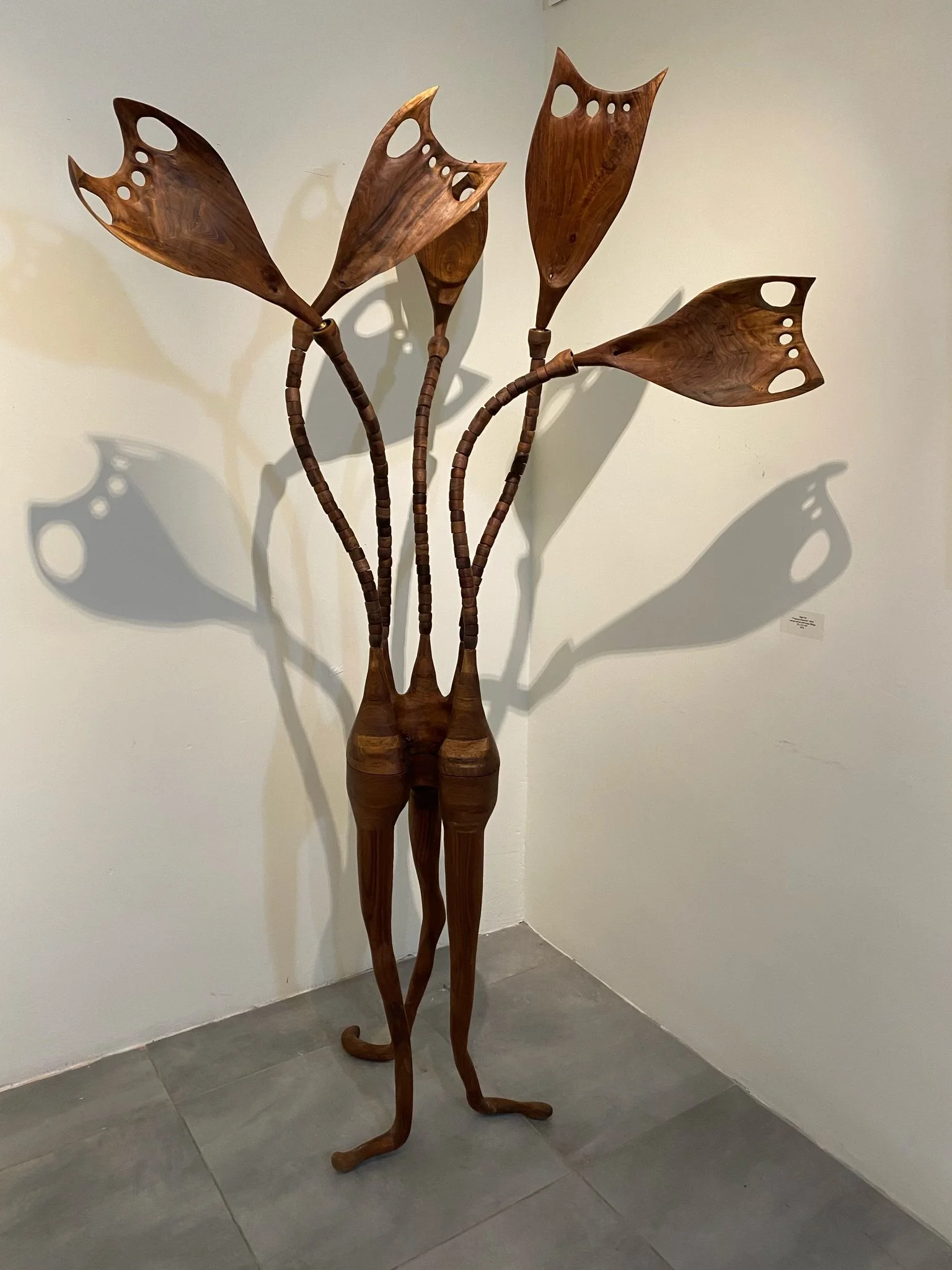
Nate Hill, Producer-Receiver, 2022,
walnut and brass, 83 in. x 24 in. x 24 in.
George Kimmerling
The Unfinished History of Dennings Point
George Kimmerling's latest project explores the cultural landscape of Denning’s Point, a 64-acre site on the Hudson River in Beacon. Now a state park, Denning’s Point has a complicated—and distinctly American—history. Once owned by Dutch enslavers, Denning's Point is indelibly marked by racial and class conflict, unbridled industrialism, and environmental degradation. This exhibition includes new black-and-white landscape photographs, works based on archival materials, and studies for new historical markers. Kimmerling hopes the project begins to express a more holistic, inclusive, and complex understanding of this and similar sites as deeply contested and embedded in the social structures that have shaped them and that lie at the core of U.S. history.
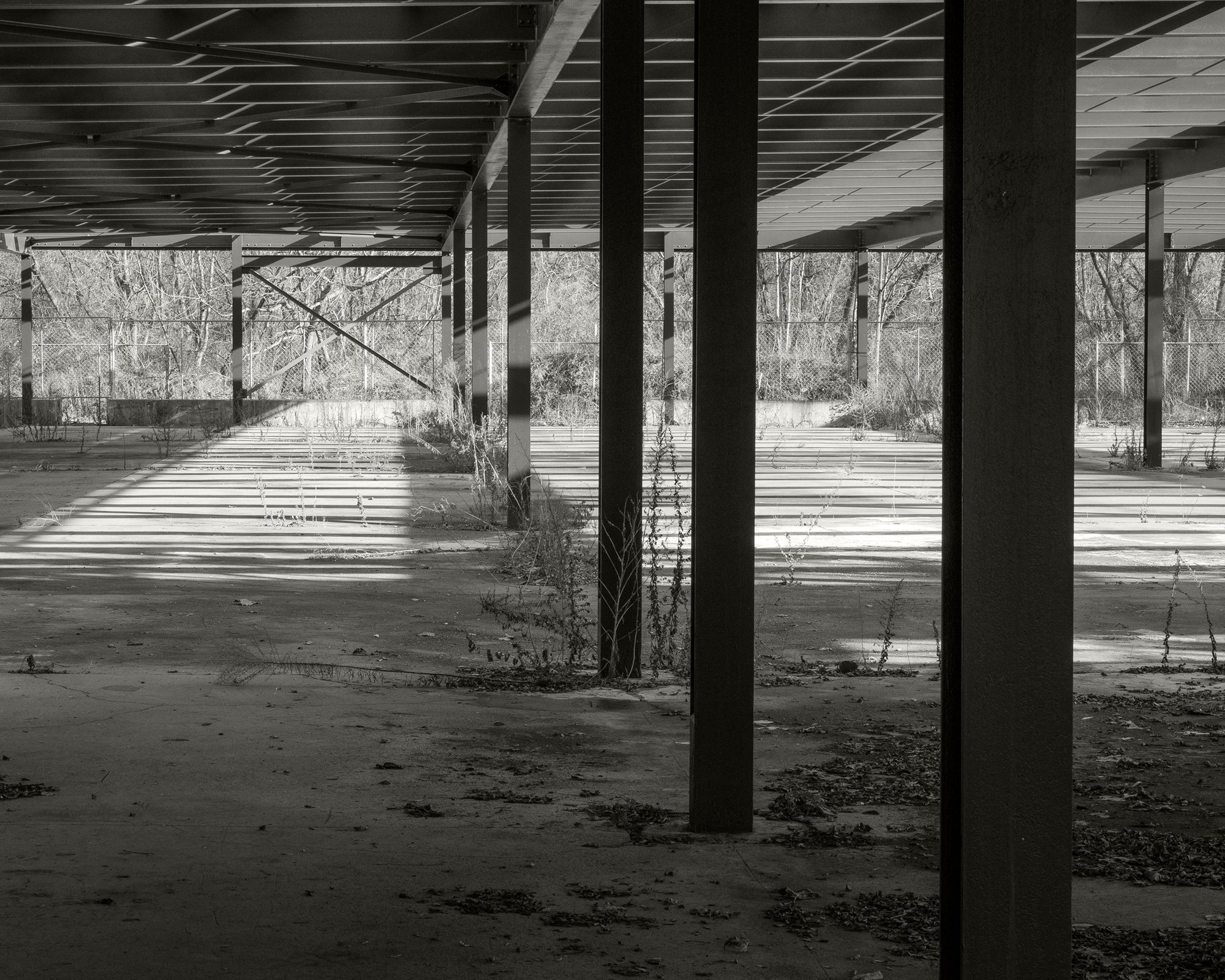
George Kimmerling, Factory Floor, 2026, archival pigment print, 20 in. 24 in.
BAU Gallery Artists
Awaken!
A call to action, a spiritual goal, a plea—"awaken" has a rich set of meanings, all of which seem right for this moment. In this exhibition of photography, drawing, printmaking, painting, and sculpture, BAU artists explore the many ways we can awaken to the world around us, from profound sensory awareness to engagement with pressing issues. Whether offering deep insight into the natural world, a reflection on social concerns, or a still and solitary form, the works are a collective call to viewers to reflect and respond. Participating Artists: Robin Adler, Karen Allen, Bob Barry, Joel Brown, Dan Florin, Nate Hill, Nataliya Hines, George Kimmerling, Linda Lauro-Lazin, Nansi T. Lent, Síle Marrinan, Soli Pierce, Eileen Sackman, and Ilse Schreiber-Noll. Visit https://www.baugallery.org/artists-current for artist information.
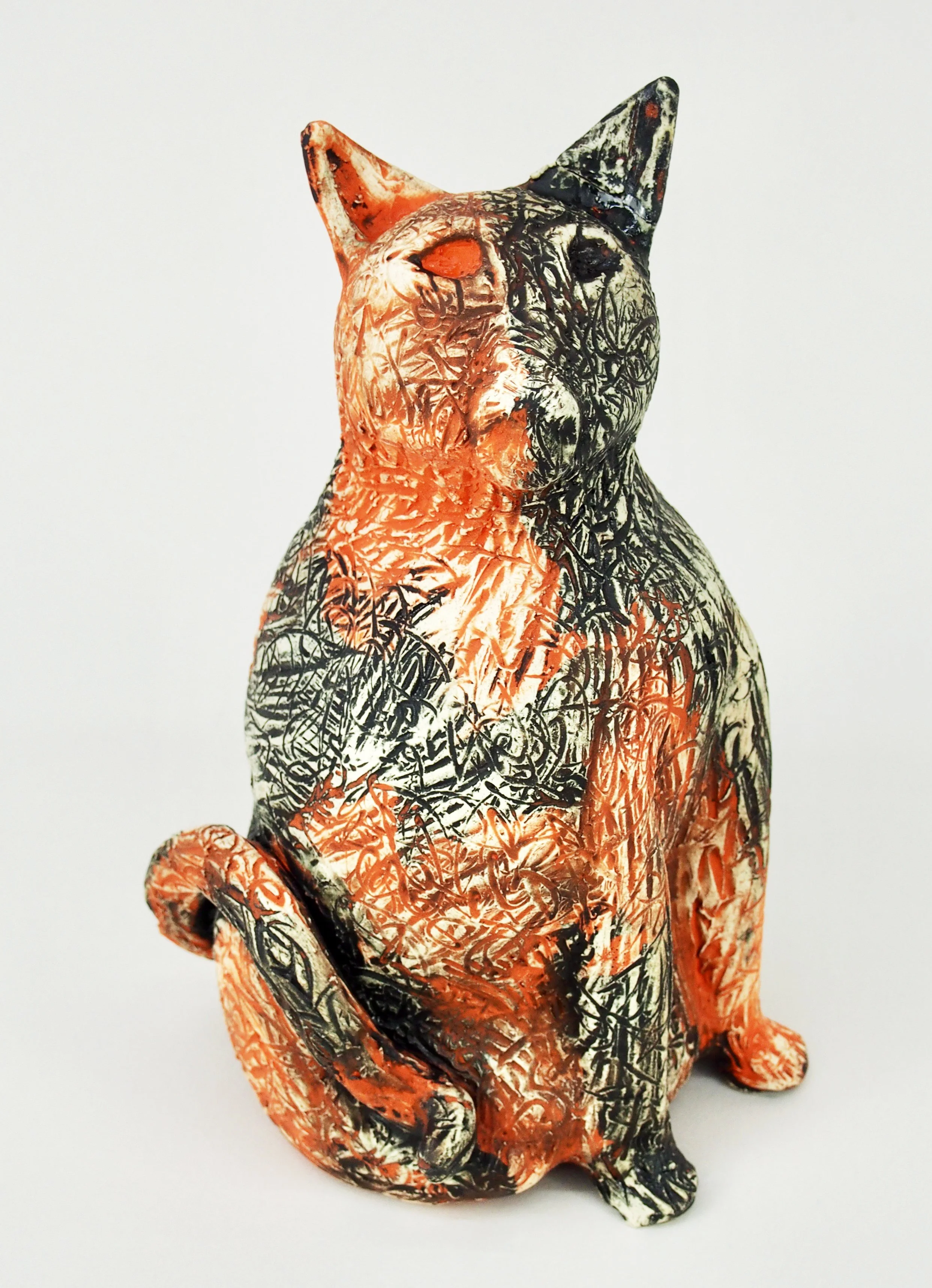
Bob Barry, Mau, 2026, Ceramic, 9 in. (h).